
A beautiful and functional outdoor space can significantly enhance the appeal of your home, providing a place for relaxation, entertainment, and even growing your food.
If you’re looking to refresh your garden or create a brand-new landscape, there are plenty of ideas that can transform your outdoor area.
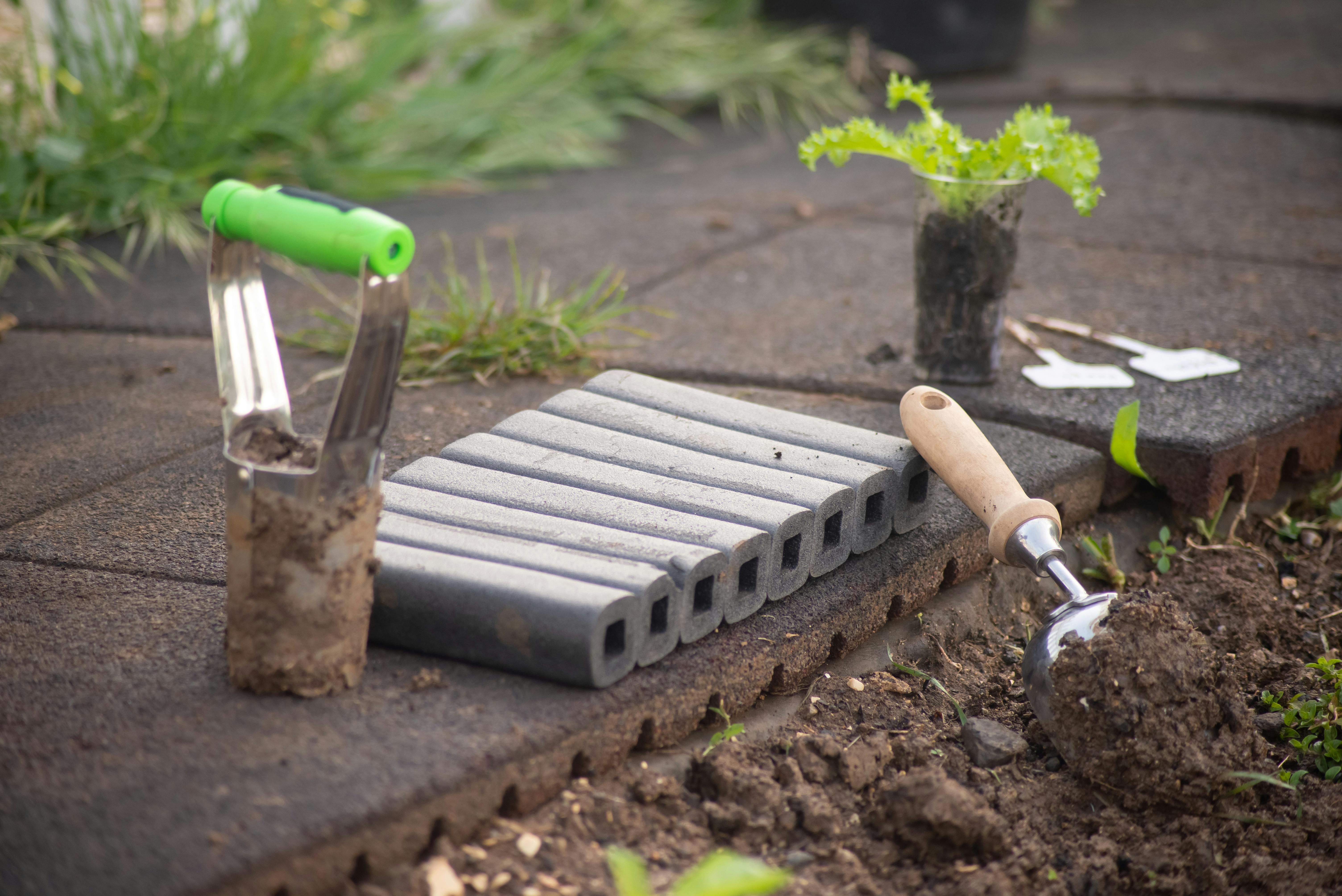
Whether you have a small patio or a sprawling backyard, these landscaping ideas will help you make the most of your outdoor space. If you want more in-depth tips on landscaping, read this article for helpful insights.
In this guide, we’ll explore different ways to transform your outdoor space, from garden design to outdoor furniture ideas. Let’s dive into the world of landscaping and unlock your garden’s full potential.
1. Start with a Plan: How to Design Your Perfect Outdoor Space
Understand Your Space
Before you start with any landscaping project, it’s essential to understand the available space. Take a good look at the dimensions of your garden or outdoor area and determine how much space you have to work with. This will guide you in making decisions about layout, plants, and features.
- Measure the Area: Measure the size of your garden or yard to understand the scope of your project.
- Consider the Shape: Determine if your space is rectangular, square, or irregularly shaped. The layout can affect your choice of plants, structures, and features.
Think About Functionality
Your outdoor space should serve a purpose. Do you want a peaceful retreat, a space for social gatherings, or a vegetable garden? Understanding how you want to use your space will influence your design choices.
- Relaxation Zones: If you’re looking for a space to unwind, focus on creating a peaceful garden with seating areas, water features, and shaded spots.
- Entertainment Areas: If you plan to entertain guests, include a patio, BBQ area, and plenty of seating.
Plan for Future Growth
When selecting plants and features, it’s important to think long term. Some plants will take time to grow, so plan for their future size and spread. Also, consider the maintenance involved in keeping the garden healthy over time.
- Choose Low-Maintenance Plants: Opt for plants that require less upkeep, especially if you’re looking for a hassle-free landscape.
- Think About Seasonal Changes: Ensure that your garden looks appealing throughout the year, not just during the warmer months.
2. Sustainable Landscaping Ideas for an Eco-Friendly Garden
Water Conservation with Smart Irrigation
One of the best ways to make your outdoor space more sustainable is by reducing water usage. Smart irrigation systems can help ensure that your plants get the water they need without wasting resources.
- Drip Irrigation: This method delivers water directly to the plant roots, reducing water wastage and evaporation.
- Rainwater Harvesting: Install a rainwater collection system to capture rainwater and use it for watering your plants.
Native Plants for Low Maintenance
Using native plants in your landscaping helps conserve water, reduces the need for chemical fertilisers and pesticides, and supports local wildlife. Native plants are adapted to the local climate, so they thrive with less effort and maintenance.
- Choose Local Flora: Select plants that are native to your region. They require less water and are more resistant to pests and diseases.
- Create Wildlife Habitats: Native plants provide food and shelter for birds, bees, and other pollinators, helping to maintain biodiversity.
Mulching to Conserve Moisture
Mulching is a great way to conserve moisture in your garden while also preventing weeds from taking over. Organic mulch such as bark, straw, or compost helps retain moisture in the soil, which reduces the need for frequent watering.
- Types of Mulch: Use organic mulch, which decomposes and improves soil health over time.
- Apply Mulch Evenly: Spread mulch evenly around your plants to keep the soil moist and reduce evaporation.
3. Incorporating Outdoor Living Spaces
Patios and Decks: The Heart of Your Outdoor Space
Outdoor living areas are essential for entertaining and relaxing. Patios and decks are popular features that allow you to enjoy your garden in comfort.
- Paving Options: You can create a stylish patio with natural stone, brick, or pavers. These materials are durable and can complement various garden styles.
- Wooden Decks: A wooden deck provides a rustic and natural look that works well with many garden designs.
- Covered Areas: Install a pergola or retractable awning over your patio to provide shade on hot days and shelter from light rain.
Outdoor Furniture for Comfort and Style
Comfortable outdoor furniture can make your garden feel like an extension of your living room. Choose furniture that matches the style of your landscape while also being durable enough to withstand the elements.
- Seating Arrangements: Opt for weather-resistant furniture such as wicker, metal, or plastic. Include a comfortable seating area with sofas, chairs, or a dining set.
- Accessories: Add cushions, throw blankets, and rugs to make your outdoor space feel cosy and inviting.
Fire Pits and Outdoor Heaters
If you want to extend the use of your outdoor space into the cooler months, consider adding a fire pit or outdoor heater. A fire pit not only provides warmth but also creates a focal point for your outdoor area, perfect for socialising or relaxing.
- Wood Burning Fire Pits: These create a traditional feel and are perfect for gathering around during chilly evenings.
- Gas Fire Pits: Gas fire pits are easier to maintain and light, providing instant warmth at the push of a button.
4. Adding Greenery and Plants to Your Landscape
Low-Maintenance Plants for Easy Care
Choosing the right plants for your outdoor space is key to maintaining a beautiful garden with minimal effort. Opt for low-maintenance plants that require less attention and are more resistant to pests and diseases.
- Succulents and Cacti: These plants are perfect for dry climates and require little water. They come in various shapes and colours, making them an excellent addition to your garden.
- Perennials: Perennials bloom year after year, reducing the need for replanting. Choose varieties that are suited to your local climate and soil.
Vertical Gardens for Small Spaces
If you have limited space, consider adding vertical gardens to your outdoor design. These gardens use vertical space to grow plants, allowing you to maximise your garden’s potential.
- Trellises and Arches: These are perfect for growing climbing plants like vines, roses, and cucumbers. They can be incorporated into both traditional and modern garden designs.
- Living Walls: A living wall is a vertical structure that supports plants. It’s ideal for small backyards or balconies and adds a unique visual appeal to your space.
Flower Beds and Garden Borders
Flower beds and garden borders add a pop of colour and texture to your outdoor space. Use these areas to plant seasonal flowers, shrubs, or decorative grasses that create visual interest and complement the overall landscape design.
- Colourful Blooms: Choose a variety of flowers with different colours and bloom times to create a dynamic, ever-changing display.
- Framing Paths and Patios: Line your garden paths or patios with flowers or shrubs to add structure and style.
5. Hardscaping Elements to Enhance Your Garden
Walkways and Garden Paths
Walkways and garden paths provide both function and style. They guide visitors through your garden while enhancing its overall aesthetic.
- Paving Stones and Gravel: Paving stones are a durable option for creating paths. Gravel paths offer a natural and rustic look and are easy to maintain.
- Curved vs Straight Paths: Curved paths can create a more organic feel, while straight paths are more structured and formal. Consider the style of your garden when choosing the layout.
Retaining Walls and Raised Beds
If your garden has uneven terrain or slopes, retaining walls can help level the area while adding a decorative touch. Raised garden beds are a great way to grow vegetables and flowers while also improving the overall look of your garden.
- Stone Retaining Walls: These are perfect for creating terraces or separating different levels in your garden. They add a natural, earthy feel to your landscape.
- Wooden or Metal Raised Beds: Raised beds are ideal for growing vegetables and flowers, providing better drainage and reducing weed growth.
Water Features: Fountains and Ponds
A water feature can add a tranquil and luxurious touch to your garden. Consider adding a pond, fountain, or even a small stream to introduce the soothing sounds of water into your outdoor space.
- Pond and Fish: Ponds can be simple or elaborate, and you can add fish or aquatic plants for extra beauty.
- Fountains: A fountain can be a great focal point for your garden, and it adds the calming sound of running water.
Conclusion
Transforming your outdoor space doesn’t have to be a daunting task. By planning carefully, incorporating sustainable practices, and using a combination of greenery, hardscaping, and outdoor living features, you can create a beautiful garden that suits your needs and enhances your home.
With the right landscaping ideas, your outdoor space can become a place of relaxation, beauty, and functionality.
Frequently Asked Questions
How can I make my small garden look bigger?
To make a small garden appear larger, use vertical gardens, light colours, and mirrors. Choose plants with a compact growth habit and create the illusion of more space with smart design choices like curved paths.
What are some good low-maintenance landscaping options?
Some low-maintenance landscaping options include succulents, native plants, perennials, and decorative grasses. Incorporating hardscaping elements like gravel paths and retaining walls can also reduce maintenance.
How can I make my outdoor space more eco-friendly?
To create an eco-friendly outdoor space, use native plants, install a rainwater harvesting system, choose sustainable materials for hardscaping, and opt for energy-efficient outdoor lighting.