
RCD Testing & Servicing: Everything You Need to Know
In any electrical system, safety is the top priority. One of the most essential safety devices used in homes and workplaces is the Residual Current Device (RCD).
These devices play a vital role in protecting individuals from electric shocks and preventing electrical fires by detecting faults in electrical circuits.
When properly maintained, RCDs can save lives by automatically disconnecting the power when a fault occurs. However, like all electrical devices, RCDs can wear out over time, which is why RCD testing & servicing are crucial.
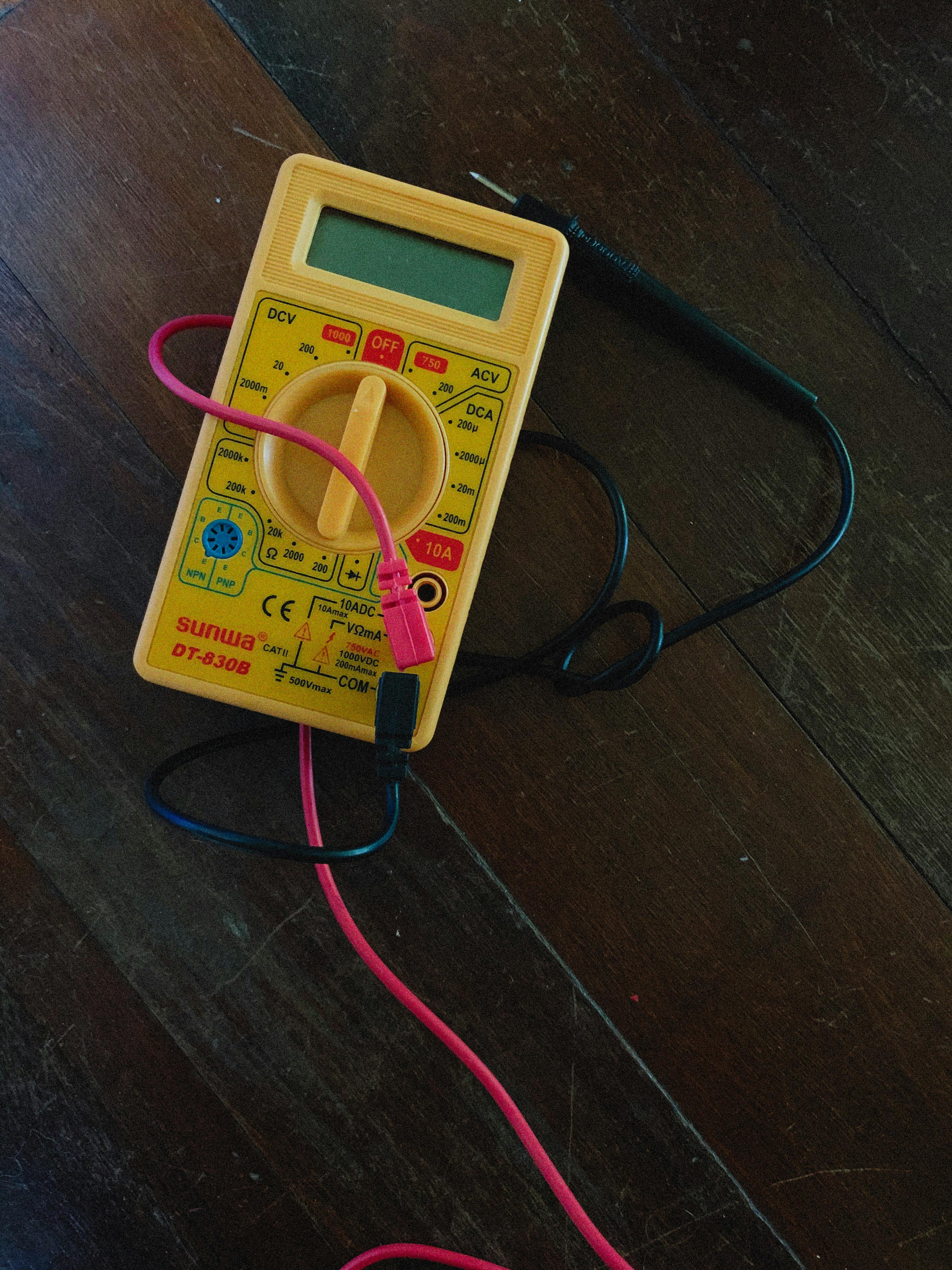
If you’ve ever experienced residual current device tripping, it’s a sign that the RCD is functioning as designed to protect you from electrical hazards.
This article will provide a comprehensive guide to RCD testing & servicing, why it’s essential, and how to ensure your devices are working properly.
What is an RCD?
A Residual Current Device (RCD) is an electrical safety device that automatically switches off the power supply when it detects an imbalance between the live and neutral wires in an electrical circuit.
This imbalance could be caused by a fault, such as a live wire coming into contact with a grounded surface, which could lead to an electric shock or fire. The RCD detects these discrepancies and trips the circuit to prevent further hazards.
Why RCDs are Important for Safety
RCDs are vital for the protection of both individuals and property. They detect leakage currents that could be harmful to humans and automatically disconnect the electrical supply in the event of a fault. Without RCDs, the risk of electrical shock increases significantly.
This makes RCD testing & servicing an important part of any safety routine.
How RCD Testing Works
RCD testing is the process of verifying that an RCD is functioning as intended. The test checks whether the device will trip when a fault occurs, which ensures that the device is performing its primary function of protecting people from electric shock.
RCD Testing Methods
There are several ways to test an RCD. One of the simplest methods is the built-in test button. This button simulates a fault and causes the RCD to trip.
It is a quick and easy way to check if the RCD is functioning, but it doesn’t provide a full assessment of the device’s performance under real-world conditions. To ensure your RCD is fully operational, more comprehensive testing should be done.
Professional RCD testing typically involves the use of an RCD tester, a device that simulates electrical faults in the system to verify the RCD’s response time and ensure it trips within the required time frame, typically 300 milliseconds.
This type of testing is more thorough and provides a detailed understanding of the RCD’s performance.
Why Regular RCD Testing & Servicing is Necessary
Regular RCD testing & servicing are essential for maintaining the safety of your electrical system. Over time, RCDs can degrade or develop faults that affect their performance, making them less reliable in protecting you from electrical hazards.
Avoiding Electrical Hazards
By regularly testing your RCD, you can ensure that it will trip when necessary, protecting you from potential electrical shocks or fires. Without proper servicing, your RCD might not respond to faults, leaving you vulnerable to electrical risks.
Compliance with Safety Standards
In Australia, regular RCD testing is required by the AS/NZS 3760 standard, which governs the testing, inspection, and maintenance of electrical equipment.
Compliance with these standards is mandatory for businesses and workplaces to ensure the safety of employees and the general public.
Even for residential properties, regular testing is highly recommended to ensure that the devices continue to function correctly and provide maximum protection.
Extending the Life of Your RCD
Routine servicing helps extend the lifespan of your RCD by identifying minor issues before they turn into serious problems. Early detection of faults or degradation can prevent the need for costly replacements and ensure your electrical systems remain safe and reliable.
How Often Should RCD Testing & Servicing Be Done?
The frequency of RCD testing & servicing depends on the environment and how much the RCD is used. For most residential properties, testing should occur at least every six months to ensure that the devices are functioning properly.
However, in high-risk environments, such as workplaces with large amounts of electrical equipment or public spaces, more frequent testing may be necessary.
Residential RCD Testing
For a typical home, RCD testing should be performed at least every six months. This can be done by a professional, or homeowners can perform basic checks using the test button on the RCD.
However, for a more thorough inspection and to ensure compliance with Australian safety standards, professional servicing is recommended at least once a year.
Commercial and High-Risk Environments
For businesses, RCD testing should occur every six months, but in high-risk environments like construction sites, factories, or healthcare facilities, more frequent testing may be required.
In these environments, the electrical systems are subject to higher wear and tear, making regular testing essential to maintain safety.
Common Issues with RCDs
While RCD testing & servicing can prevent many potential problems, it is important to be aware of common issues that may arise with RCDs. Some of these issues can be detected through regular inspections and servicing.
Faulty Wiring
One common issue is faulty wiring, which can cause an RCD to trip unnecessarily or fail to trip when a fault occurs. Faulty connections, short circuits, or degraded wiring can all affect the functionality of an RCD.
Regular servicing ensures these issues are detected early, preventing the risk of electrical fires or shock hazards.
Worn Out or Faulty Components
RCDs, like any electrical device, contain components that can wear out over time. The internal mechanisms that detect leakage currents may degrade, resulting in slower trip times or failure to trip altogether.
Testing helps identify if the RCD is performing correctly and can prevent the need for more extensive repairs later.
Accidental Tripping
Sometimes, an RCD may trip accidentally due to issues like faulty appliances or overloads on the circuit.
Residual current device tripping can be caused by water exposure, faulty insulation, or electrical interference. Identifying the cause of the trip is important to ensure that the RCD isn’t malfunctioning or operating incorrectly.
The Role of Professional RCD Servicing
While DIY testing can help with basic functionality checks, professional RCD servicing ensures a comprehensive evaluation of the device’s performance.
Professionals use calibrated testing equipment to measure the device’s reaction time, simulate faults, and check the device’s ability to protect against electrical hazards.
RCD Servicing Checklist
During RCD servicing, the following steps are typically performed:
- Visual inspection: Checking for physical damage or wear, ensuring the device is properly connected and functioning.
- Functional test: Using an RCD tester to simulate a fault and verify the device trips within the required time frame.
- Battery check (for battery-powered systems): Ensuring that backup power systems, such as batteries, are fully charged and operational.
- Performance verification: Ensuring that the RCD performs under fault conditions and that it meets Australian safety standards.
Professional servicing can identify underlying issues that may not be visible to the untrained eye, providing peace of mind that your RCD is working correctly.
How RCD Testing & Servicing Helps Prevent Electrical Accidents
By performing regular RCD testing & servicing, you can prevent a wide range of electrical accidents. A properly functioning RCD can detect dangerous faults and trip the circuit before they cause injury or damage.
This is especially important in high-risk environments where electrical systems are critical to the operation of equipment and machinery.
Frequently Asked Questions
How often should I test my RCD?
RCDs should be tested at least every six months to ensure they are functioning properly. In high-risk environments, more frequent testing may be necessary.
Can I perform RCD testing myself?
While you can perform a basic push-button test on your RCD, a comprehensive test requires professional equipment to ensure the device responds correctly to faults.
What should I do if my RCD fails the test?
If your RCD fails the test, it should be repaired or replaced immediately by a licensed electrician. A malfunctioning RCD can leave you vulnerable to electrical risks.
Conclusion
RCD testing & servicing are essential practices for ensuring the safety of your electrical systems. Regular testing and professional servicing help protect against electrical faults, reduce the risk of accidents, and ensure compliance with Australian safety standards.
By maintaining your RCDs and conducting routine checks, you can keep your home, business, and workplace safe from electrical hazards.
Always remember that while basic testing can be done by yourself, a thorough RCD servicing performed by a professional ensures that the device functions properly when it matters most.