
When purchasing a home, commercial property, or considering renovation work, understanding building inspections is key. Not only can they save you from unexpected expenses, but they also ensure the safety and longevity of your property.
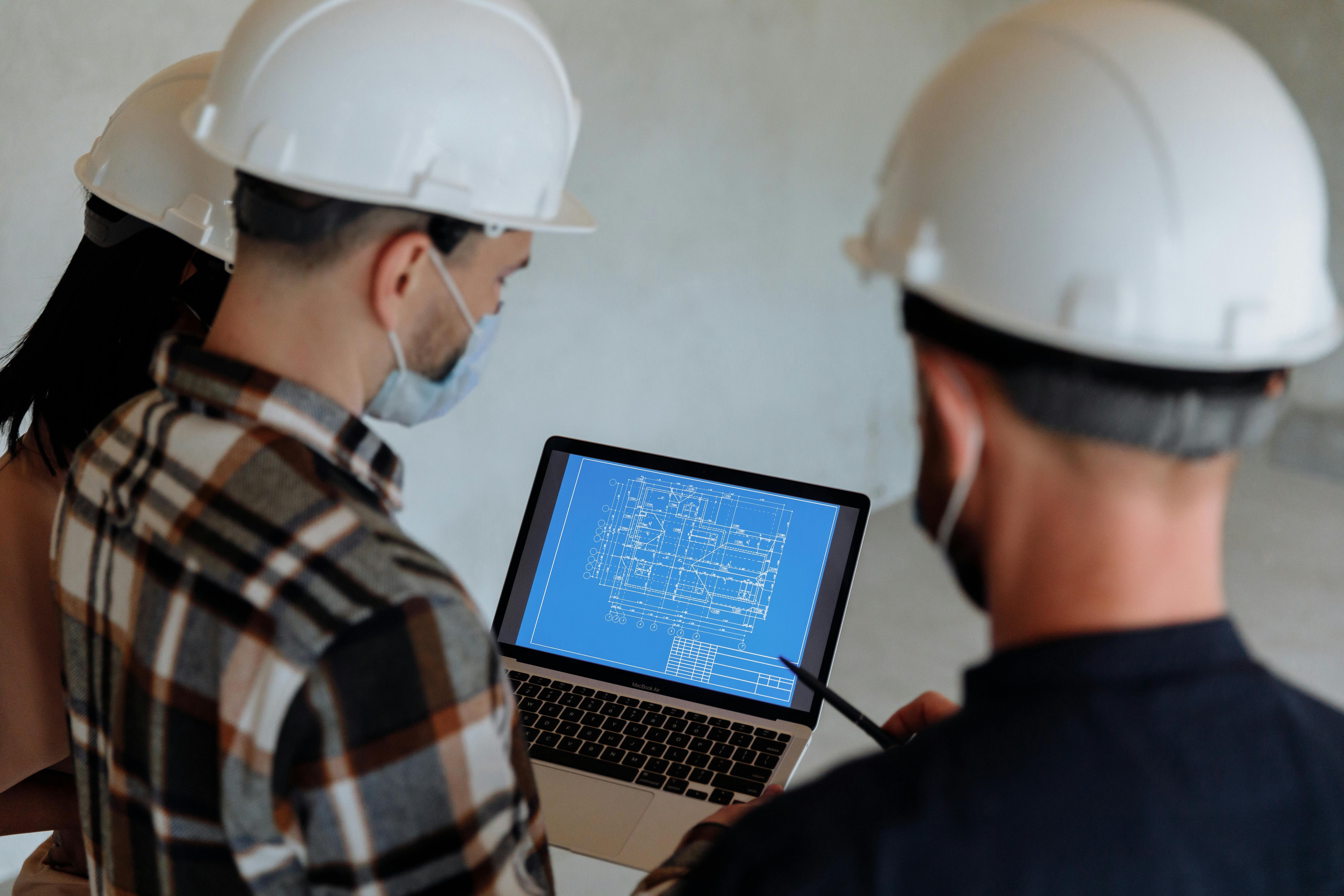
In this guide, we will walk you through what building inspections entail, why they are important, and how they can help protect your investment. For a deeper dive, check out my response for more detailed insights.
What is a Building Inspection?
A building inspection is a thorough assessment conducted by a certified professional to examine the overall condition of a property. The purpose is to identify potential issues, including structural problems, maintenance requirements, and safety hazards.
Typically, these inspections are part of the buying, selling, or maintenance process and offer property owners peace of mind.
Types of Building Inspections
Not all building inspections are the same. Different types of inspections cater to various needs, and it’s important to choose the right one based on your situation. The most common types include:
- Pre-purchase Inspections: Conducted before purchasing a property to assess its condition and uncover potential problems.
- Pre-sale Inspections: Carried out by sellers to identify any defects before listing the property.
- Building Defect Inspections: Used to inspect existing properties showing signs of wear and damage.
- Strata Inspections: Relevant for properties with shared ownership, such as apartment complexes, and inspect communal areas.
- Construction Inspections: Done during or after construction to ensure all work complies with regulations.
Why Are Building Inspections Important?
Building inspections are essential for protecting your investment, whether you’re buying or selling a property. Here are some key reasons why these assessments are crucial:
1. Uncover Hidden Problems
One of the primary benefits of building inspections is their ability to uncover hidden issues that may not be visible to the naked eye.
This could include things like faulty wiring, structural damage, or termite infestations. Such problems, if left undetected, can lead to costly repairs down the line.
2. Help in Decision-Making
A building inspection report can provide you with the information you need to make an informed decision about whether to proceed with a purchase or sale.
If major problems are identified, buyers can negotiate a better price or ask for repairs to be made before closing the deal. Sellers, on the other hand, can address issues ahead of time, improving the property’s marketability.
3. Safety Concerns
The safety of the property is always a top priority. Building inspections help identify safety risks like unstable foundations, faulty electrical systems, or the presence of asbestos, all of which can be hazardous to occupants. Detecting these issues early can prevent accidents and injuries.
4. Save Money in the Long Run
A thorough building inspection can help you avoid hidden repair costs. By identifying issues early, you have the opportunity to address them before they become major problems that require expensive fixes.
Additionally, knowing when to replace vital components like the roof or plumbing systems helps you budget for these future expenses.
5. Ensure Compliance with Local Regulations
In many cases, building inspections are required to ensure that the property complies with local building codes and safety standards. For example, construction or renovation projects may require certain inspections at different stages to ensure they are up to code.
This is especially relevant for developers and contractors who must adhere to strict regulations.
What Does a Building Inspection Involve?
A professional building inspector will conduct a comprehensive assessment of the property, focusing on a range of factors that can affect its safety and value. Here are the key areas typically covered during an inspection:
1. Structural Integrity
The foundation and structural elements of the property are of paramount importance. Inspectors check for any signs of cracking, shifting, or instability in the foundation, walls, floors, and ceilings.
Structural issues are among the most serious and expensive problems that can affect a property, so early detection is critical.
2. Roof and Gutters
The roof is one of the most important parts of a property, as it protects the entire structure from weather and water damage.
Inspectors will assess the condition of the roof, including the materials, flashing, and gutters. They will look for signs of leaks, wear, or inadequate drainage systems.
3. Electrical Systems
Inspecting the electrical systems is essential for ensuring the safety of the property. Building inspectors check for proper wiring, functional switches and outlets, and any issues that could present a fire hazard. Old or faulty electrical systems can be dangerous and costly to repair.
4. Plumbing Systems
Proper plumbing is crucial to maintaining a functional and safe property. The inspection will assess the condition of pipes, faucets, drains, and toilets to check for leaks, water pressure issues, and potential blockages.
Inspectors also look for signs of corrosion, which could lead to future problems.
5. Termite and Pest Inspections
In regions where termites are common, an inspection for pest infestations is crucial. Termites can cause significant damage to wooden structures, often before they are noticed. Inspectors will look for signs of termite activity and recommend treatment if necessary.
6. Insulation and Ventilation
Proper insulation and ventilation are vital for energy efficiency and the comfort of occupants. A building inspector will assess whether the property is adequately insulated and whether the ventilation systems are functioning correctly to prevent mould or humidity issues.
How to Choose a Professional Building Inspector
When selecting a building inspector, it’s important to consider their qualifications, experience, and reputation. Here are some tips for choosing the right inspector:
1. Qualifications and Licensing
Ensure that the inspector is licensed and accredited by relevant industry bodies. In Australia, this typically includes membership with organisations like the Master Builders Association or the Housing Industry Association. A qualified inspector will have the necessary skills and knowledge to perform a thorough and accurate inspection.
2. Experience
Look for an inspector with experience in the type of property you’re having inspected. Different types of properties—whether residential, commercial, or strata—may require different levels of expertise.
An experienced inspector will know what to look for and how to detect issues that may not be immediately obvious.
3. Detailed Reporting
The inspector should provide a comprehensive report that includes a detailed description of the property’s condition, any defects found, and recommendations for repairs. The report should be clear and easy to understand, even for those with no construction background.
4. Reputation
Check the inspector’s reputation by reading online reviews or asking for recommendations from others in the industry.
You want someone who is reliable, thorough, and provides accurate assessments. A well-regarded inspector will also be willing to answer any questions you have during or after the inspection.
Conclusion
Building inspections are a vital tool for protecting your investment and ensuring the safety, value, and functionality of a property.
Whether you’re purchasing a new home, maintaining an existing one, or embarking on a renovation project, a professional inspection will provide you with the necessary insights to make informed decisions.
By identifying issues early on, building inspections can save you from costly repairs, provide peace of mind, and ensure that your property complies with safety regulations.
Frequently Asked Questions
How long does a building inspection take?
Building inspections typically take between 2 to 4 hours, depending on the size and complexity of the property. Larger or more intricate properties may require additional time for a thorough examination.
Can I attend the building inspection?
Yes, it’s highly recommended that you attend the inspection. Being present allows you to ask questions, see potential issues firsthand, and gain a deeper understanding of the inspector’s findings.
What happens if the inspection finds issues?
If the inspection identifies significant problems, you can use the report to negotiate with the seller for a lower price or ask for repairs to be made before the purchase is finalised.